

Atlas · Musculoskeletal · Image guide
Brachial plexus and peripheral nerve injuries
Roots to branches, and the injuries that each fracture puts at risk.
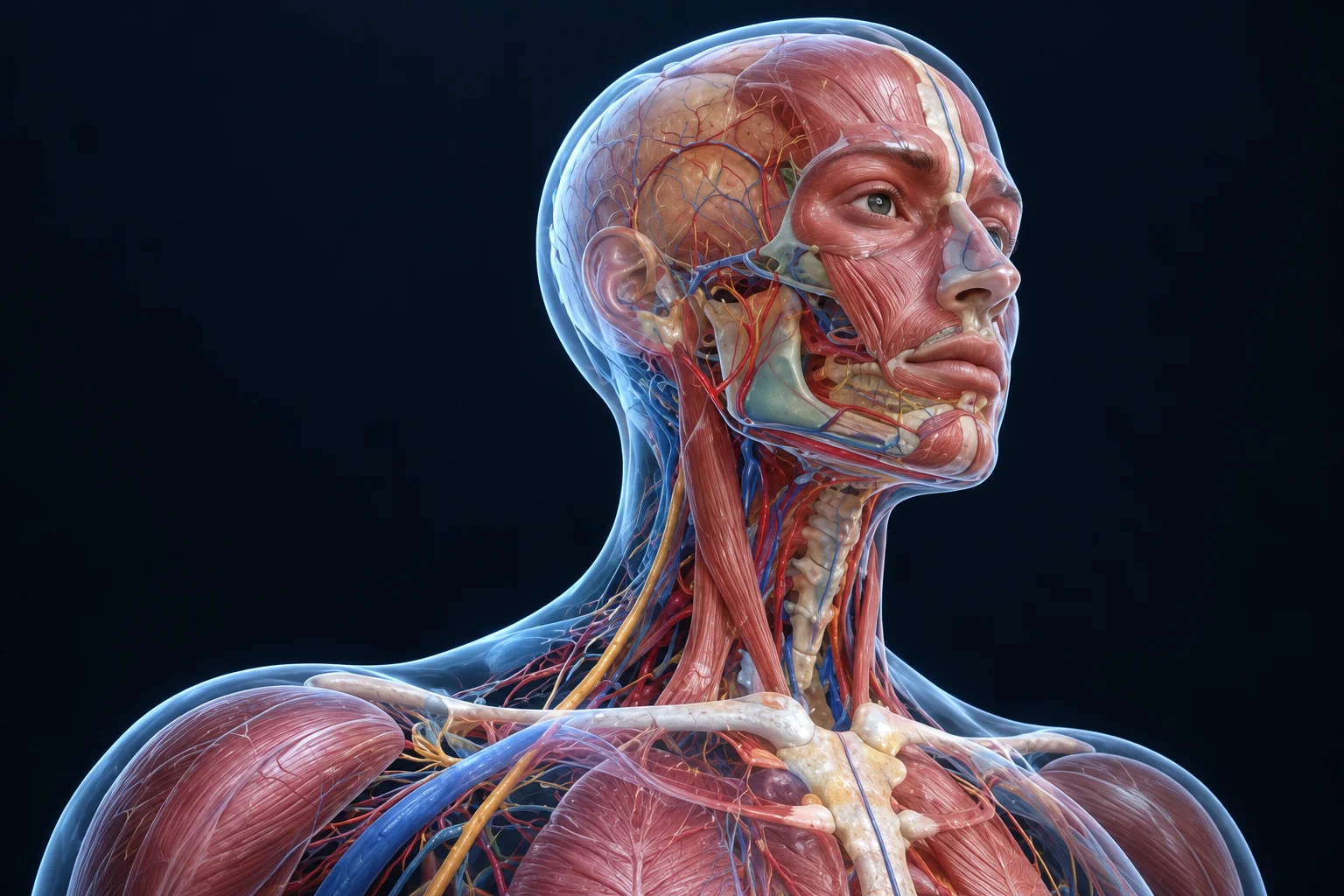
Key points
- Roots C5–T1 form trunks, divisions, cords and terminal branches.
- Upper trunk (C5–C6) injury: arm adducted and internally rotated with an extended elbow ('waiter's tip').
- Lower trunk (C8–T1) injury: claw hand, sometimes with Horner syndrome.
- Surgical neck of humerus fracture or shoulder dislocation: axillary nerve (deltoid, regimental badge area).
- Midshaft humerus fracture: radial nerve in the spiral groove (wrist drop).
Image guide
What to look for in each view of this topic.
- Overview. Roots, trunks, divisions, cords, branches: the plexus runs from the neck through the axilla.
- Upper trunk lesion. Traction between head and shoulder at birth or in a motorcycle fall.
- Lower trunk lesion. Traction of an abducted arm; a Pancoast tumour can also involve it.
- Long thoracic nerve. Serratus anterior paralysis causes medial winging of the scapula.
- Median nerve at the wrist. Carpal tunnel syndrome: thenar wasting and numbness of the lateral three and a half digits.
- Ulnar nerve at the elbow. Cubital tunnel: weakness of intrinsic hand muscles and numbness of the little finger.
Related
AtlasImage guideSupracondylar fractures in children
Classification, neurovascular checks and when to operate.
 Video8-min outline
Knee examination in 8 minutes
Look, feel, move and the special tests that discriminate.
Guideline summary5 min readOttawa ankle and knee rules
Clinical decision rules that safely reduce unnecessary X-rays.