

See medicine
differently.
Concise videos, image atlases, high-yield notes, guideline summaries and flashcards, all linked to practice questions.
38 items
 Video12-min outline
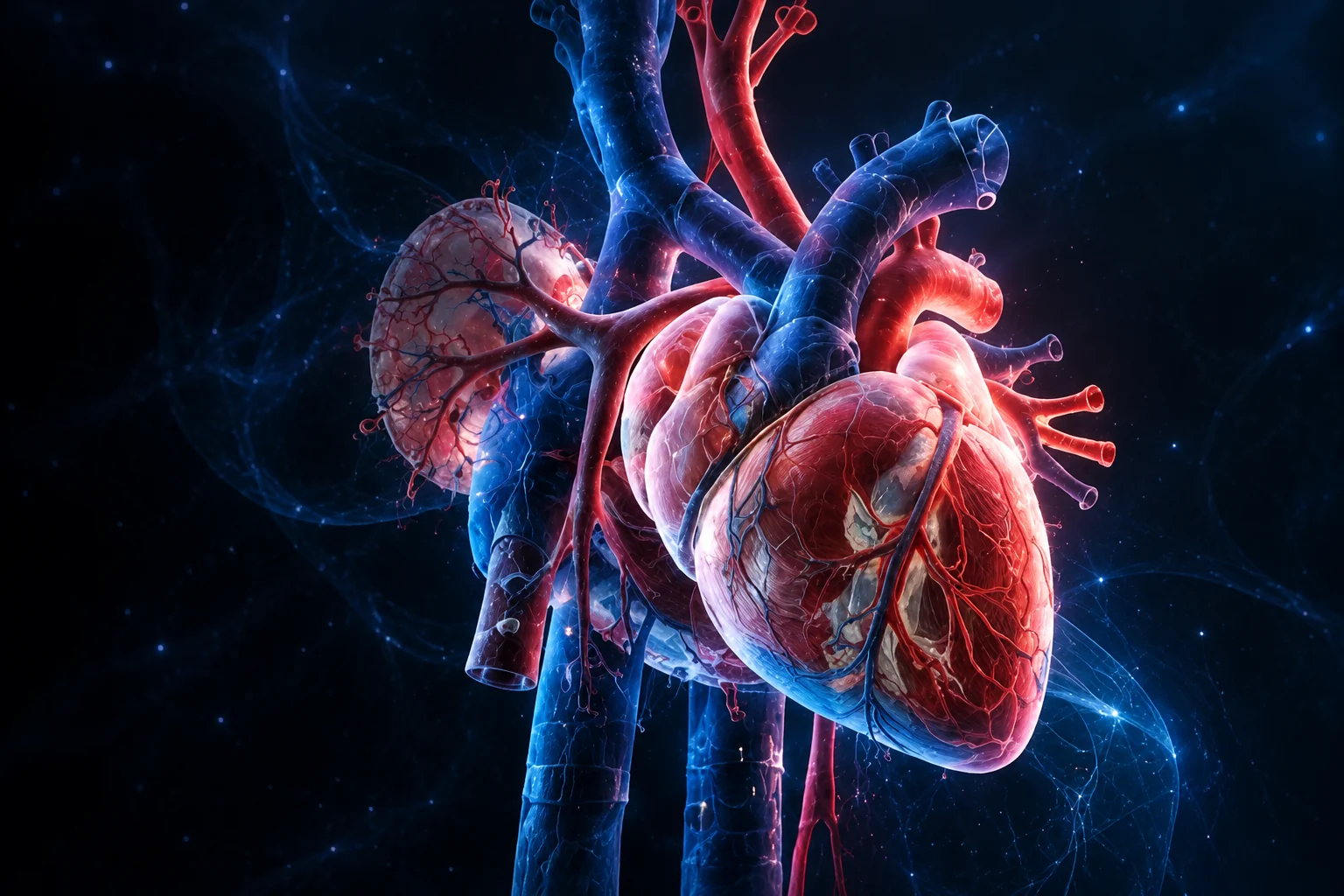
Coronary circulation in 12 minutes
Map each coronary artery to the myocardium and ECG leads it supplies.
 AtlasImage guide
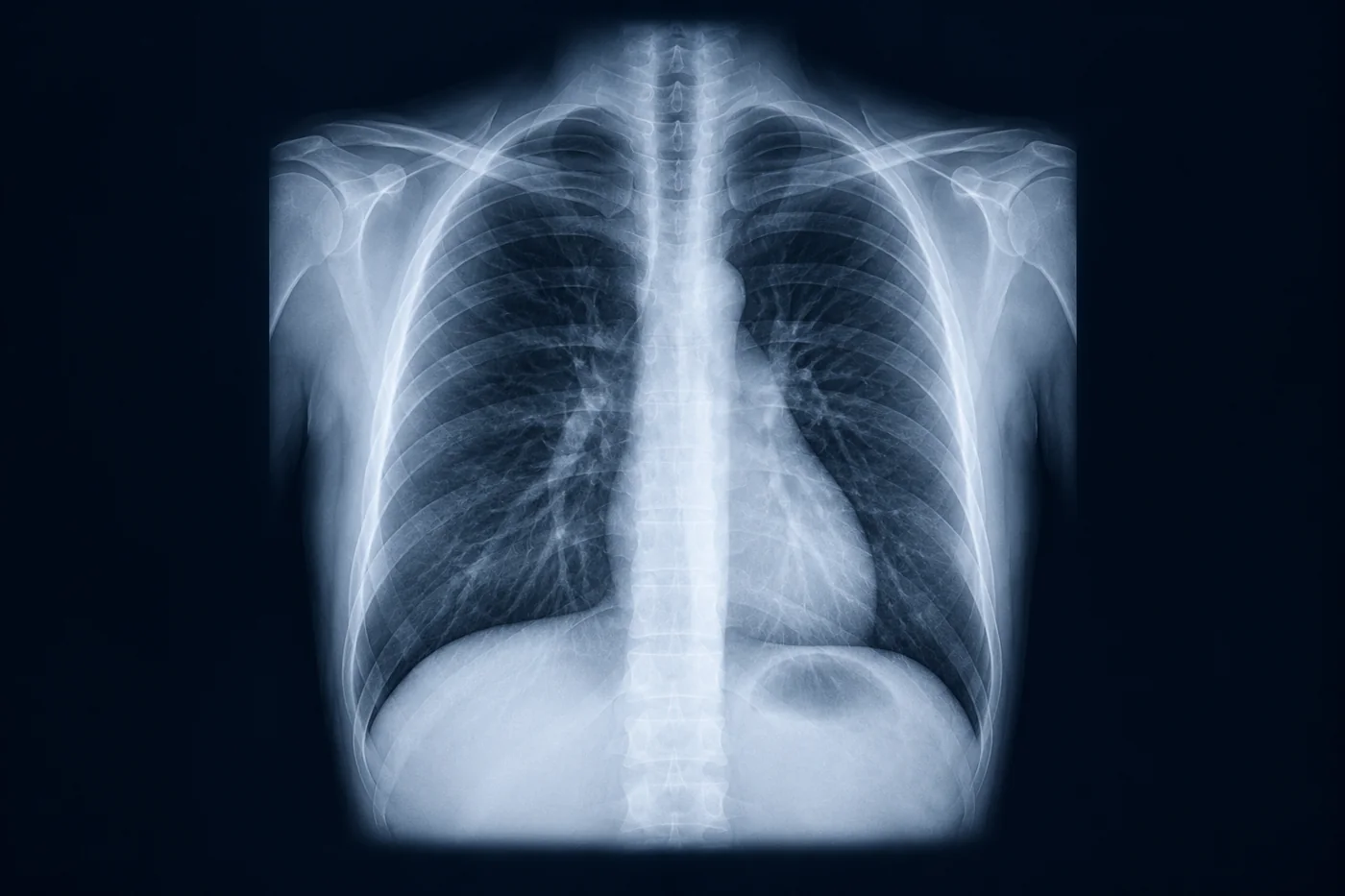
Chest X-ray: a systematic approach
A repeatable ABCDE read so you never miss the second finding.
 AtlasImage guide
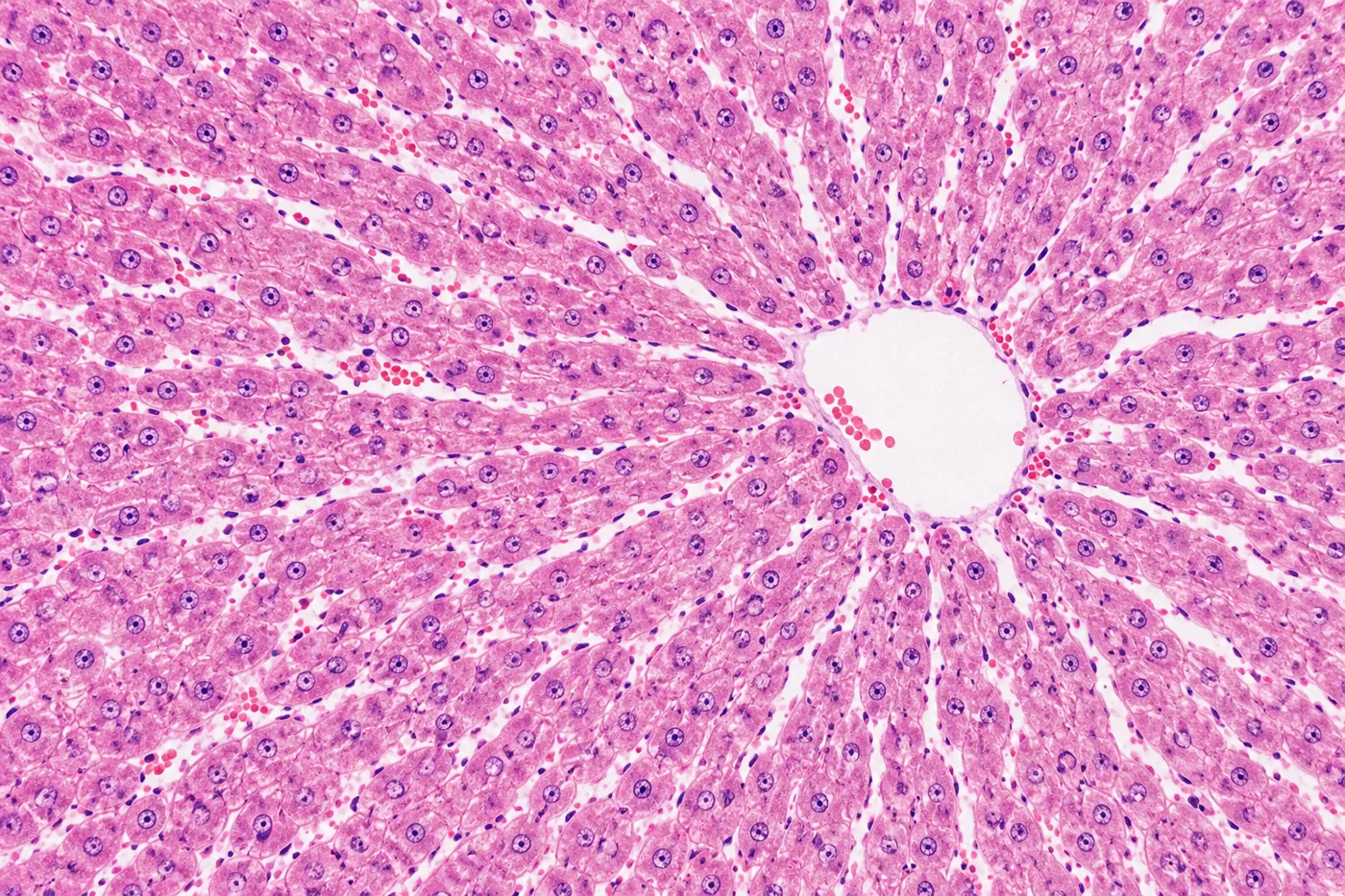
Liver histology essentials
Lobules, acini and why the zones matter for injury patterns.
 AtlasImage guide
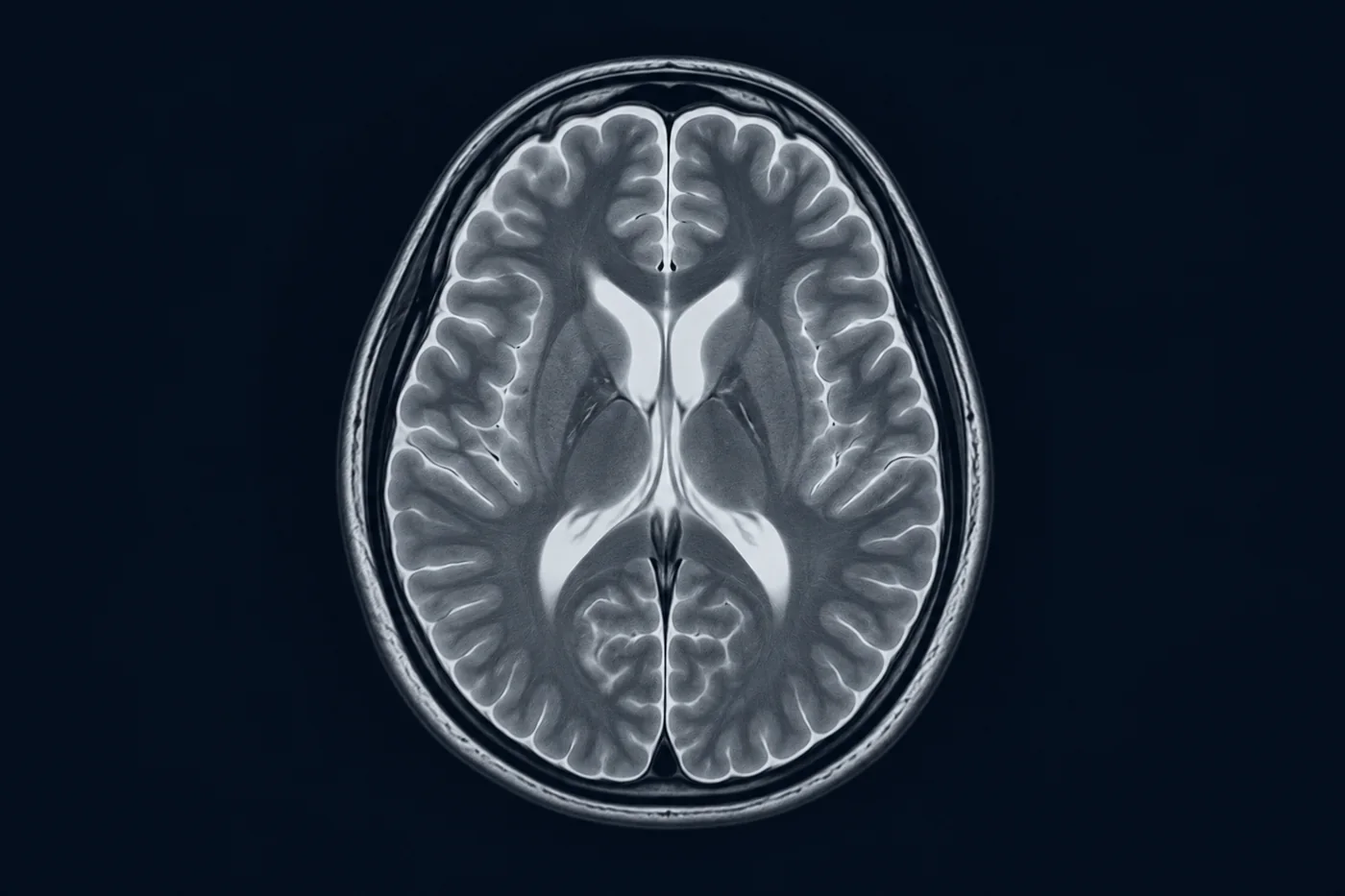
Brain MRI: the sequences that matter
Read T1, T2, FLAIR and diffusion with confidence.
Notes8 min readValvular heart disease: high-yield murmurs
Timing, location, radiation and the bedside manoeuvres that change them.
 Video15-min outline
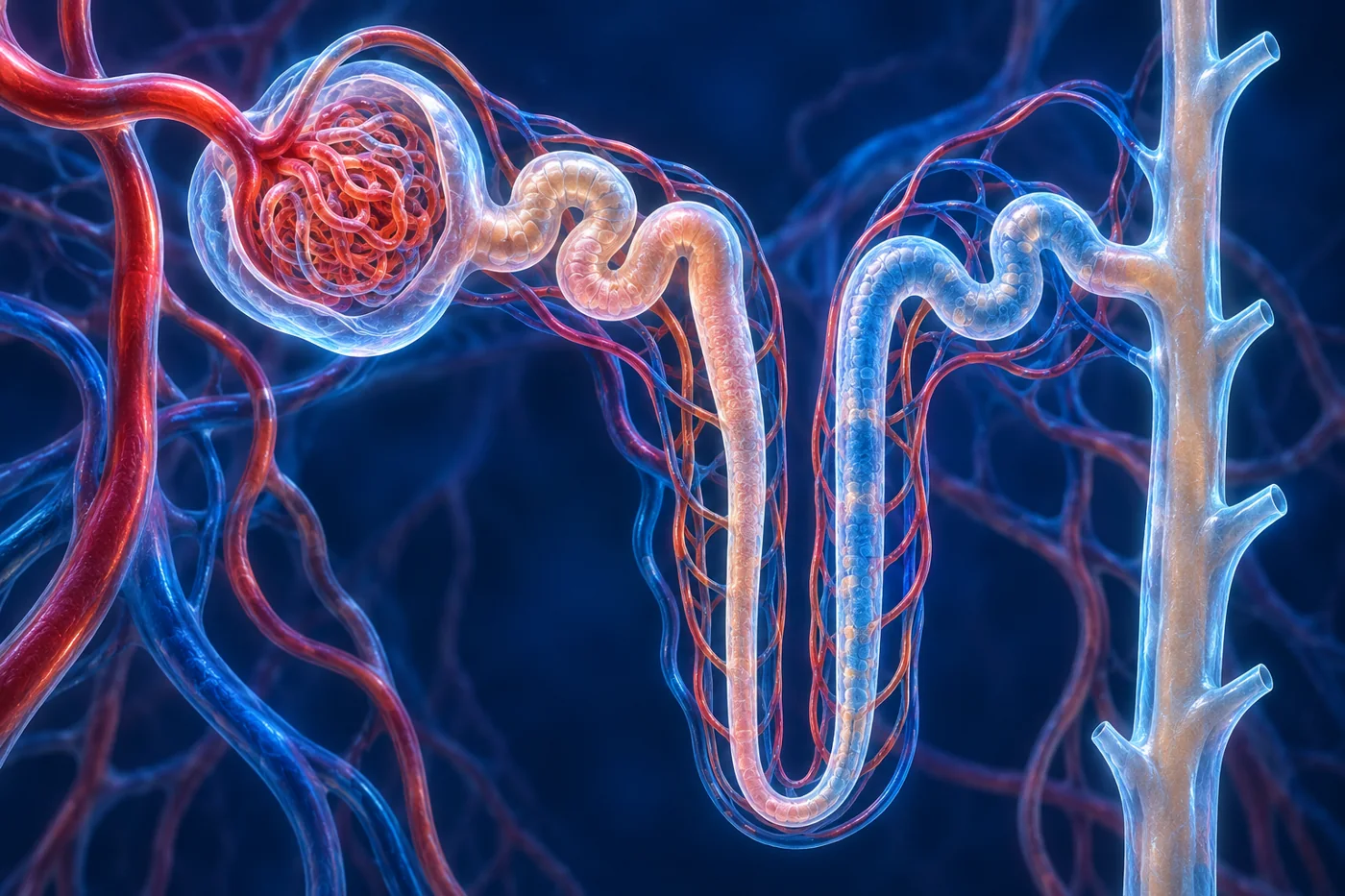
The nephron, segment by segment
Transporters, hormones and the diuretic that targets each segment.
 Notes10 min read
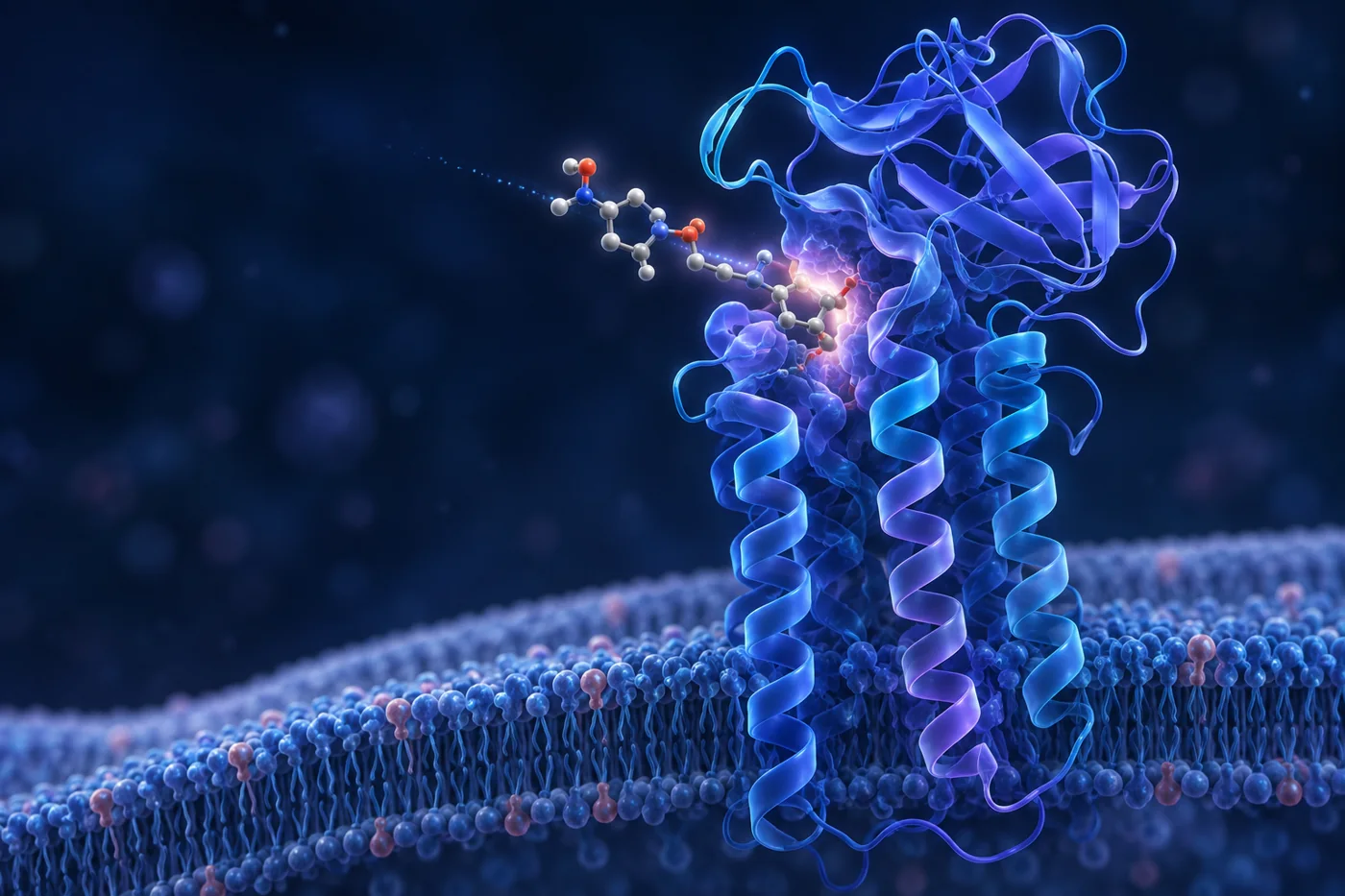
Receptors and drug action
Potency, efficacy and how antagonists change the dose–response curve.
 Video9-min outline
Laparoscopic cholecystectomy: the critical view of safety
The three criteria to meet before clipping anything.
 Atlas3D model
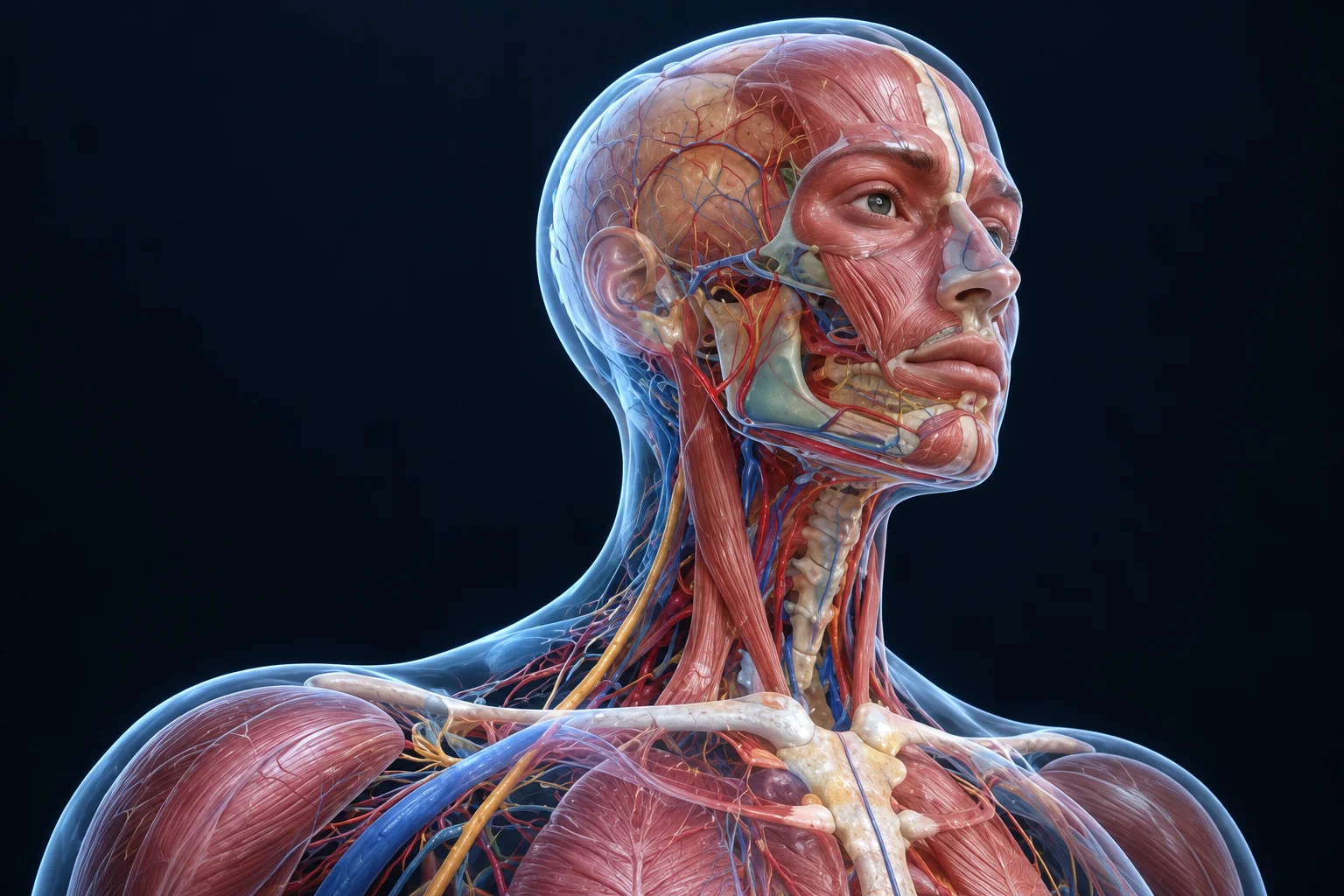
3D anatomy: muscles of the face and neck
Layer by layer, with nerve supply and clinical correlations.
 Guideline summary6 min read
Acute asthma in pregnancy
Treat the mother fully: it is the best treatment for the fetus.
 Notes7 min read
DKA management at a glance
Fluids, potassium, insulin, and when to switch.
The 10-step ECG read
Rate, rhythm, axis, intervals and the patterns you must not miss.
Notes9 min readAcid–base in five steps
A structured way through any blood gas.
Guideline summary8 min readPulmonary embolism: risk stratification
From pre-test probability to thrombolysis.
AtlasImage guideSupracondylar fractures in children
Classification, neurovascular checks and when to operate.
Flashcards10 cardsBiostatistics: the 2×2 table survival kit
Every formula you need for diagnostic tests and trials.
 Guideline summary7 min read
Sepsis and septic shock: the first hour
Recognise early, culture, give antibiotics, resuscitate and reassess.
Acute hyperkalaemia in adults
Protect the heart, shift potassium into cells, then remove it.
Guideline summary6 min readAnaphylaxis: emergency treatment
Intramuscular adrenaline first, early and repeated if needed.
Guideline summary8 min readAcute ischaemic stroke: reperfusion
Time is brain: image fast, thrombolyse eligible patients, and refer large-vessel occlusions for thrombectomy.
 Guideline summary7 min read
Atrial fibrillation: stroke prevention
CHA₂DS₂-VA, DOACs first, and the AF-CARE framework.
Notes8 min readHeart failure with reduced ejection fraction: the four pillars
Four drug classes, each reducing mortality, started early and titrated.
Flashcards12 cardsCranial nerves: function and lesions
One card per nerve: what it does and what a lesion looks like.
AtlasImage guideBrachial plexus and peripheral nerve injuries
Roots to branches, and the injuries that each fracture puts at risk.
Video8-min outlineKnee examination in 8 minutes
Look, feel, move and the special tests that discriminate.
Guideline summary5 min readOttawa ankle and knee rules
Clinical decision rules that safely reduce unnecessary X-rays.
Guideline summary7 min readHip fracture in adults
Early surgery, the right implant, and orthogeriatric care.
Notes6 min readThyroid function tests made simple
Read TSH and free T4 together and the pattern names the problem.
Notes7 min readAnaemia: an MCV-based approach
Classify by red cell size, then confirm with targeted tests.
Flashcards10 cardsToxidromes and antidotes
Recognise the pattern at the bedside, then reach for the antidote.
 Guideline summary6 min read
Jaundice in newborn babies
Which jaundice is dangerous, how to measure it and when to treat.
Notes9 min readObstetric emergencies: first actions
Postpartum haemorrhage, eclampsia, shoulder dystocia and cord prolapse.
 AtlasImage guide
Common skin lesions
Benign or worrying? A visual guide with the features that decide.
Notes7 min readSpirometry and lung function
Obstructive, restrictive or mixed — and what the transfer factor adds.
Notes8 min readGlomerular disease: nephritic or nephrotic?
Two presentations, a short list of causes for each, and the clues that separate them.
Notes6 min readInterpreting liver tests
Hepatocellular or cholestatic, and what very high numbers mean.
Flashcards10 cardsStudy designs and bias
Match the design to the question and name the bias.
Notes7 min readConsent and capacity
Valid consent needs capacity, information and voluntariness.